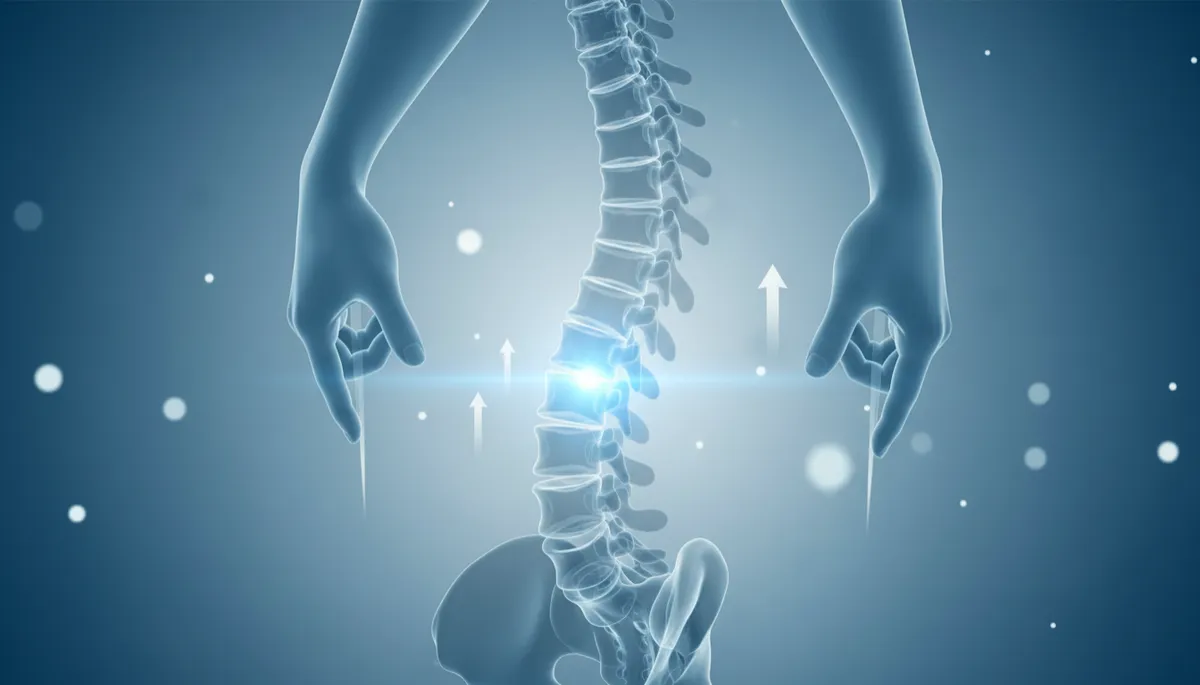
8 Common Car Accident Injuries That May Benefit From Non-Surgical Decompression Therapy
Spinal Health, Decompression Therapy, Car Accident Recovery
8 Common Car Accident Injuries That May Benefit From Non-Surgical Decompression Therapy
Supporting Recovery After an Auto Accident With Non-Surgical Decompression Therapy
A car accident can happen in an instant, but the effects of an injury can last for weeks, months, or even longer. The sudden force created during a collision can place stress on the spine, muscles, ligaments, joints, and nerves—sometimes causing injuries that are not immediately noticeable.
Many people walk away from an accident feeling fine, only to experience symptoms such as neck pain, back discomfort, stiffness, headaches, or numbness days later. Early evaluation and proper care can play an important role in supporting recovery.
At Mill Creek Red Light & Laser, we help patients explore non-invasive options designed to support pain relief, mobility, and overall wellness. One treatment option available is non-surgical spinal decompression therapy, a gentle approach that may help reduce pressure on spinal structures and support the body’s natural healing process.
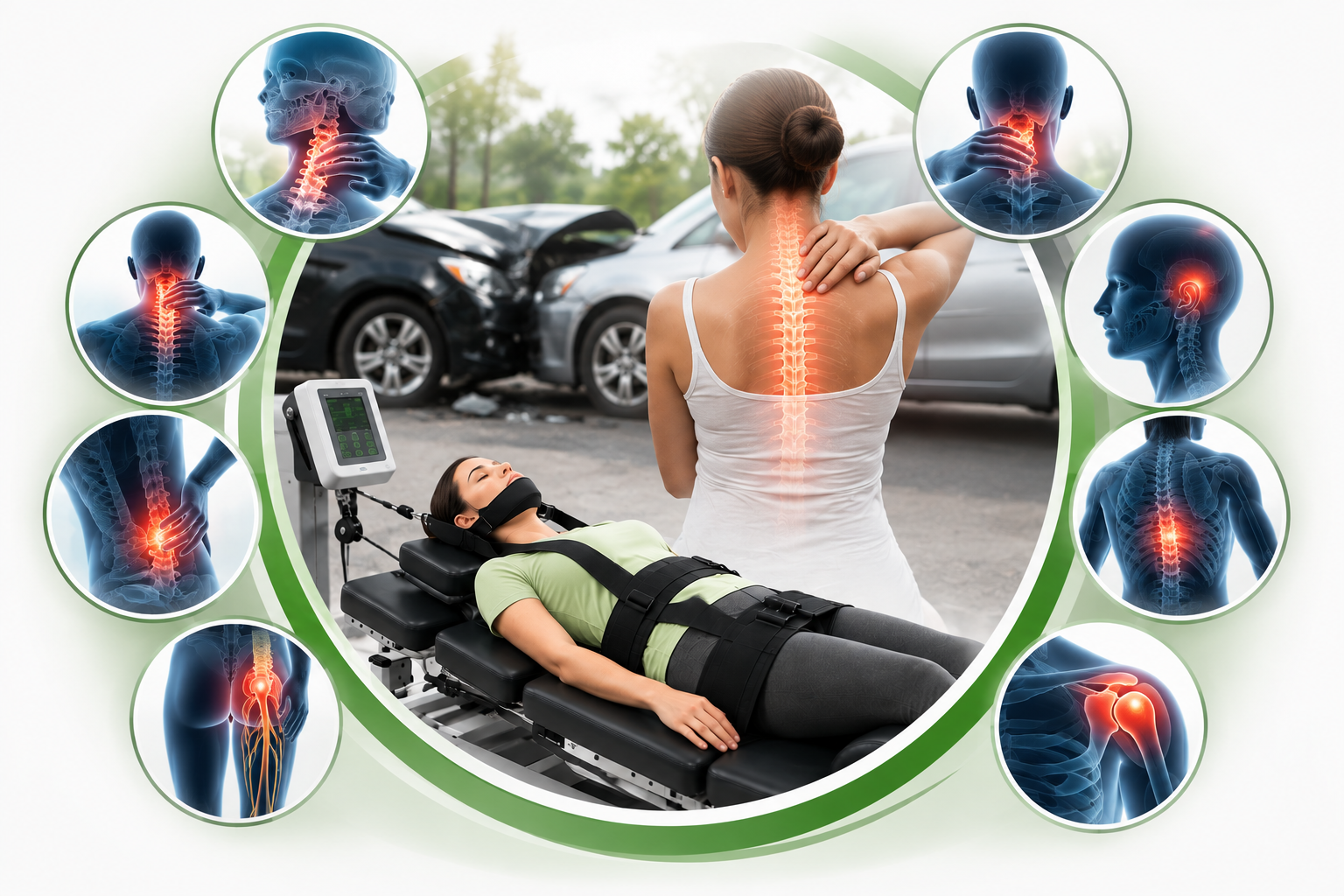
Below are 8 common car accident injuries that may benefit from non-surgical decompression therapy.
1. Whiplash and Neck Injuries
Whiplash is one of the most common injuries after a car accident, especially in rear-end collisions. It occurs when the head and neck are suddenly forced forward and backward, creating stress on the cervical spine, muscles, and connective tissues.
Symptoms of whiplash may include:
Neck pain and stiffness
Reduced range of motion
Headaches
Shoulder tension
Dizziness or discomfort with movement
Non-surgical decompression therapy may help gently reduce stress on the neck and support improved mobility during recovery.
2. Herniated or Bulging Discs
The impact from a vehicle collision can place significant pressure on the spinal discs, which act as cushions between the vertebrae. This force may contribute to disc injuries such as bulging or herniated discs.
Common symptoms may include:
Localized back or neck pain
Pain that travels into the arms or legs
Tingling or numbness
Weakness in certain areas
Non-surgical decompression therapy uses controlled stretching to create gentle space within the spine, which may help reduce disc pressure and support a healthier spinal environment.
3. Lower Back Injuries
The lower back absorbs a large amount of force during many types of accidents. Even when there is no visible injury, the muscles, joints, and spinal structures may be affected.
Common signs of a lower back injury include:
Persistent soreness
Difficulty bending or twisting
Muscle tightness
Pain while sitting or standing
Decompression therapy may help relieve pressure in the lumbar spine and support improved comfort and movement.
4. Sciatica and Nerve Irritation
Car accident injuries can sometimes affect the nerves connected to the spine. When spinal structures place pressure on nearby nerves, some individuals may experience symptoms associated with sciatica.
Symptoms may include:
Pain traveling from the lower back into the hips, buttocks, or legs
Tingling sensations
Numbness
Burning or shooting discomfort
By gently unloading the spine, non-surgical decompression therapy may help reduce stress on affected areas and support nerve health.
5. Spinal Compression Injuries
The force of a collision can compress the spine and create additional stress between vertebrae. This compression may contribute to discomfort, stiffness, and reduced mobility.
Non-surgical decompression therapy is designed to gently stretch and unload the spine, helping create space between spinal structures. This may support improved spinal movement and comfort as part of a personalized recovery plan.
6. Muscle Strains and Soft Tissue Injuries
Car accidents can cause sudden stretching or tearing of muscles, tendons, and ligaments. Soft tissue injuries may not always show up immediately but can lead to ongoing soreness and limited movement.
While decompression therapy primarily focuses on spinal structures, it may be incorporated into a broader care plan that addresses overall function, mobility, and recovery.
7. Facet Joint Stress and Spinal Joint Discomfort
Facet joints are small joints located between the vertebrae that help guide spinal movement. The force of an accident can place stress on these joints, leading to inflammation and discomfort.
Symptoms may include:
Localized back or neck pain
Stiffness
Pain with certain movements
Difficulty maintaining normal activity levels
Non-surgical decompression therapy may help reduce pressure on spinal joints and support more comfortable movement.
8. Chronic Pain After an Auto Accident
Sometimes accident-related pain continues even after the initial injury has healed. Ongoing spinal stress, reduced mobility, or untreated injuries may contribute to recurring discomfort.
Patients experiencing long-term symptoms may benefit from a comprehensive evaluation to identify possible causes and explore appropriate treatment options.
Non-surgical decompression therapy may be part of a customized approach focused on improving comfort, mobility, and quality of life.
How Non-Surgical Decompression Therapy May Support Your Recovery
Recovering from a car accident requires a personalized approach because every injury and every person’s healing process is different.
Non-surgical decompression therapy may help by:
Reducing pressure on spinal structures
Supporting spinal mobility
Encouraging a healthier environment for recovery
Providing a non-invasive treatment option
Helping patients return to daily activities more comfortably
At Mill Creek Red Light & Laser, we evaluate your condition and create a care plan based on your specific symptoms, goals, and lifestyle.
Schedule Your Car Accident Recovery Consultation in Mill Creek, WA
If you are experiencing neck pain, back pain, stiffness, or other symptoms after a car accident, you do not have to ignore the discomfort or simply wait for it to improve.
The team at Mill Creek Red Light & Laser provides personalized, non-invasive solutions to help support your recovery journey.
Contact us today to learn more about non-surgical decompression therapy in Mill Creek, WA and find out if this treatment may be a good option for your condition.
Feel Better. Look Better. From the Inside Out.
📞Call or Text to Schedule an Appointment! (425) 742-7772
📍Located in 1511 Main St A103 Mill Creek, WA 98012